
Behördenservice
Euro Documents
← Back to All Guides
EU and Non-EU Licences in the UK: What Is the Difference?
Basics Explained

EU and Non-EU Licences in the UK: What Is the Difference?

United Kingdom December 2025 4 min read
E
Written by
Euro Documents Editorial Team
Legal Content Team
Verified Administrative Procedure Last Updated: October 2026 Reviewed by: European Administrative Documentation Specialist
Authoritative Source & Service Disclaimer: Official driving licence procedures are governed by national statutory bodies (such as Driver and Vehicle Licensing Agency (DVLA)). Euro Documents is an independent administrative support service providing document preparation, sworn translation coordination, and advisory assistance. Private service fees are separate from official statutory government taxes.

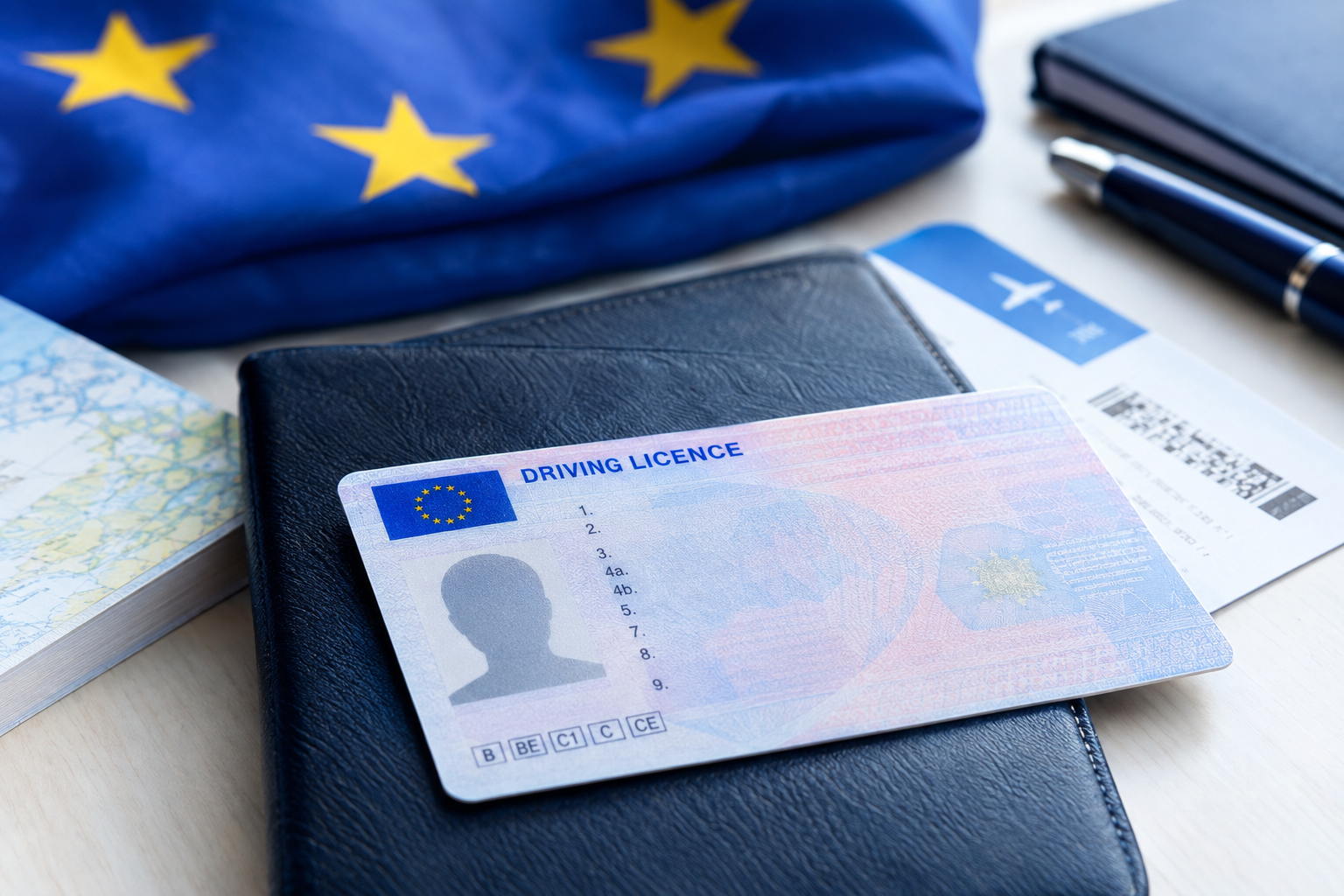
Since Brexit, the distinction between EU/EEA licences and non-EU licences has significant consequences for exchange rules in Great Britain.

EU and EEA licences

Since 2021, most EU and EEA licence holders are treated similarly to holders of designated-country licences and can generally exchange without a test, though it is worth confirming current rules for your specific country.

Non-EU licences

Here, the 12-month driving window applies from the date you become a resident. After that, exchange becomes compulsory, with or without a test depending on your country of origin.

Why this distinction exists

  • The DVLA maintains reciprocal recognition agreements on a country-by-country basis
  • Training standards vary more widely outside such agreements, hence the individual assessment

If you are unsure of your licence's current status, it is best to check directly on GOV.UK, as rules have changed since Brexit and may change again.

Request Case Consultation

Driver and Vehicle Licensing Agency (DVLA)

Start Consultation →

Related Guides

All Guides →